A Gathering That Includes Everyone
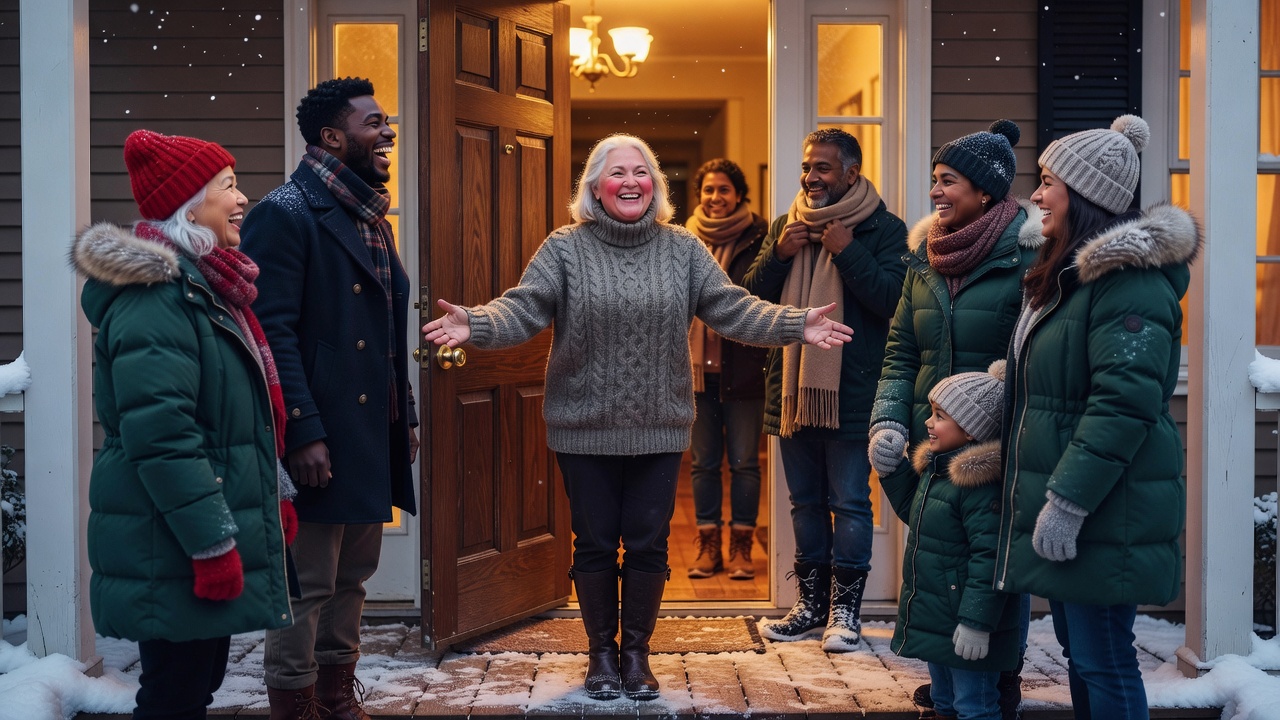
Hospitality is not merely about providing food and entertainment; it is the art of anticipating discomfort and mitigating it before it arises. The Christmas season can be overwhelmingly loud, bright, and demanding. A truly modern almanac must consider how to make these traditions accessible to diverse bodies and minds.
Sensory Considerations
The Autism Society regularly provides holiday tips that emphasize the importance of sensory-friendly environments. The overlapping noise of a roaring fire, a dozen cross-conversations, and background holiday music can cause auditory overload.
If you are planning a singing session or a boisterous game, dedicate a separate room as a "quiet space." Keep the lighting low, turn off the music, and make it clear that anyone can retreat there without needing to explain themselves. According to World Health Organization guidelines on ambient noise, constant exposure to high-decibel environments causes stress. Allow your party to have quiet pockets.
Spatial Accessibility
When arranging furniture for circle games or sing-alongs, consider mobility. Are pathways wide enough for a wheelchair or a guest using a cane? ADA compliant spacing suggests at least 32 inches of clear width for pathways. Ensure that seating is varied—deep, soft sofas are notoriously difficult for older guests to stand up from, so provide sturdy, straight-backed chairs in the mix.
-
Dietary Inclusivity
Toasts and shared meals are central to winter customs. Ensure there are complex, adult-tasting non-alcoholic options available. A sparkling elderflower or a spiced ginger cordial ensures that those who do not drink alcohol still feel they are partaking in a special ritual, rather than being relegated to tap water.
-
Timing and Exits
Establish clear start and end times for your gathering. Knowing when an event will end helps guests pace their energy. Furthermore, normalize the "Irish Goodbye" or the quiet departure. Announce early in the evening that guests should feel free to slip away whenever they need rest, removing the social pressure of extended farewells.
The Art of the Gentle Host
Ultimately, the traditions we have discussed—whether singing Vaughan Williams arrangements or playing Victorian parlor games—are just tools. They are the means by which we connect. If a tool isn't serving a guest, put it down. The highest form of tradition is ensuring that the person sitting across from you feels seen, valued, and completely at ease in your home.